
Can a No-Couch Lifestyle Improve Your Wellness?
Yes—living without a couch can improve your wellness by encouraging better posture, increased movement, and more mindful daily habits.
This minimalist, floor-based approach helps support physical health while promoting a more intentional and clutter-free lifestyle.
In a world where comfort is often equated with plush furniture and oversized sectionals, a surprising trend is gaining traction—the no couch lifestyle. Rooted in minimalism and inspired by traditional floor-based cultures, this approach to living challenges the norm by removing one of the most dominant pieces of furniture in modern homes: the sofa.
But is giving up your couch just a design choice, or could it actually improve your wellness?
Let’s dive into how a no couch lifestyle can impact your physical health, mental clarity, and overall way of living.
What Is a No Couch Lifestyle?
A no couch lifestyle means exactly what it sounds like—designing your living space without a sofa. Instead, people opt for alternatives like:
- Floor cushions or poufs
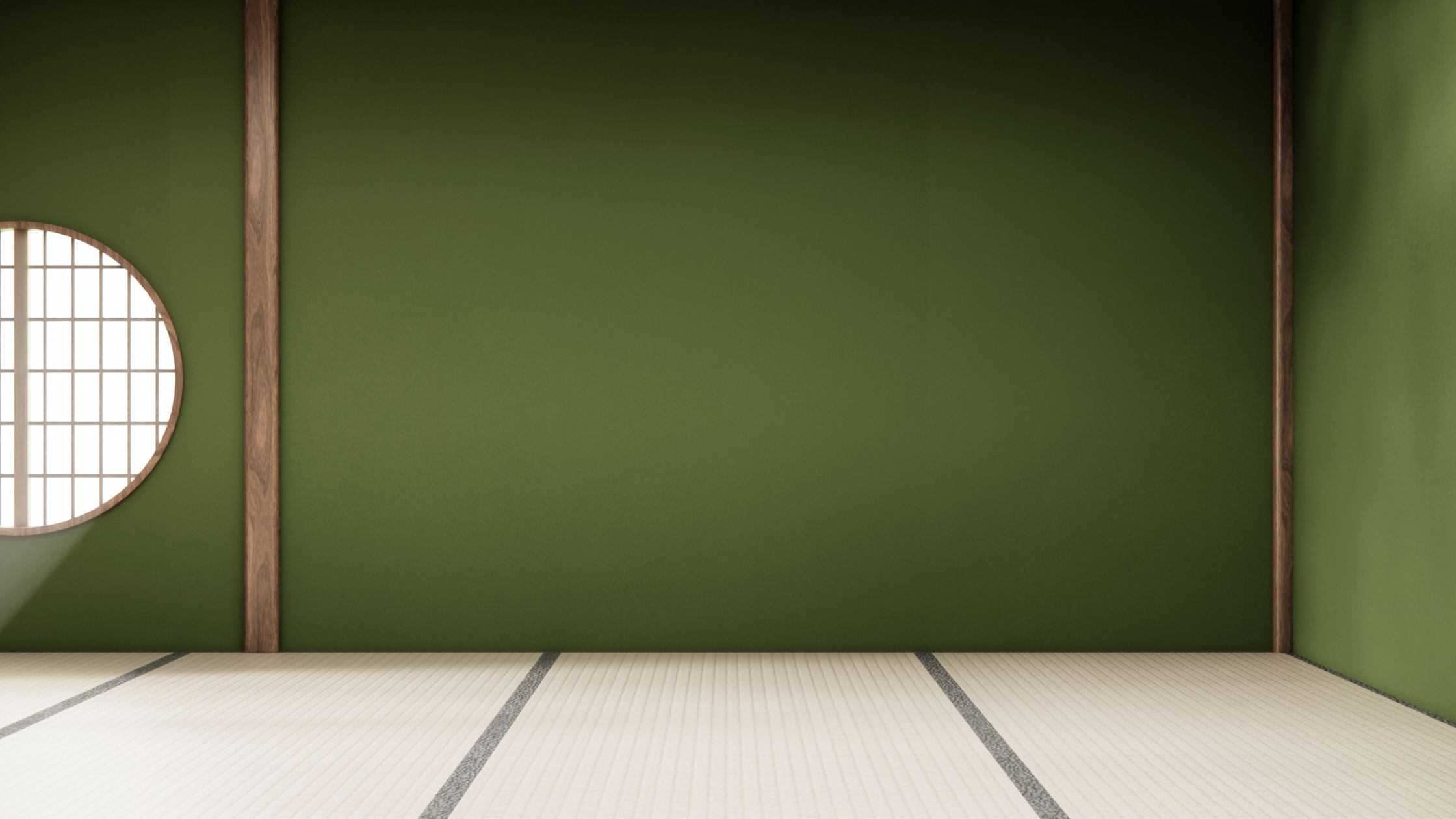
- Low tables and tatami mats
- Yoga mats or rugs
- Meditation seating
- Foldable or modular seating
This concept is often tied to minimalist living and wellness-focused home design, where every element serves a purpose and contributes to better health.
The Wellness Benefits of Living Without a Couch
1. Improved Posture and Core Strength
Couches are designed for comfort—but often at the expense of posture. Slouching, sinking, and lounging can weaken your core and strain your spine over time.
Sitting on the floor, however, requires:
- Active engagement of your core muscles
- Better spinal alignment
- Frequent posture adjustments
Over time, this can lead to stronger muscles and reduced back pain.
2. Increased Mobility and Flexibility
One of the biggest benefits of a no couch lifestyle is how often you move.
Without a couch:
- You sit down and stand up more frequently
- You naturally stretch and shift positions
- You engage your hips, knees, and ankles
This mimics natural movement patterns and can improve joint health and flexibility, especially as you age.
3. Encourages Mindful Living
Removing a couch changes how you interact with your space.
Instead of passively lounging for hours, you become more intentional:
- Sitting becomes a conscious activity
- You’re less likely to mindlessly scroll or binge-watch
- You engage more with your surroundings
This aligns with the principles of minimal wellness, where your environment supports mindful habits. If you’re exploring this lifestyle further, you can learn more about the physical and mental benefits of floor-based living in this guide.
4. Supports Better Circulation
Extended sitting on soft furniture can restrict blood flow. Floor sitting promotes:
- Frequent movement
- Better circulation
- Reduced stiffness
Even small shifts in position can keep your body more active throughout the day.
5. Reduces Clutter and Promotes Simplicity
A couch often dominates a room—both physically and visually.
By removing it, you:
- Open up space
- Simplify your layout
- Reduce the urge to accumulate extra furniture
This contributes to a calmer, more organized environment, which can positively impact mental health.
The Cultural Influence of Floor Living
Many cultures have long embraced floor-based living. In countries like Japan, India, and Korea, sitting on the floor is a daily practice.
These cultures often experience:
- Greater mobility in older age
- Stronger lower-body function
- More intentional living habits
Is It Practical for Modern Living?
The idea of removing your couch might sound extreme, but it doesn’t have to be all or nothing.
You can ease into a no couch lifestyle by:
- Replacing your sofa with floor cushions
- Creating a flexible seating area
- Using low furniture for functionality
- Designing a multi-purpose living space
This approach works especially well for:
- Small apartments
- Minimalist homes
- Wellness-focused lifestyles
Challenges to Consider
While there are benefits, a no couch lifestyle isn’t for everyone.
Potential drawbacks include:
- Difficulty for people with mobility issues
- Initial discomfort if you’re not used to floor sitting
- Less conventional seating for guests
However, many of these challenges can be addressed with thoughtful design and gradual adaptation.
How to Transition to a No Couch Lifestyle
If you’re curious about trying it, here’s how to start:
Start Small
Remove your couch temporarily or limit its use to see how your body responds.
Invest in Comfortable Alternatives
Choose supportive floor cushions, ergonomic mats, or low seating options.
Create Zones
Designate areas for relaxation, work, and socializing to maintain functionality.
Listen to Your Body
Adjust your setup based on comfort and mobility needs.
Final Thoughts
The no couch lifestyle wellness movement is more than just a trend—it’s a shift toward intentional living. By rethinking how we sit, relax, and use our space, we can unlock surprising benefits for our physical and mental health.
While it may not be for everyone, incorporating elements of floor-based living can help you move more, sit better, and live more consciously.
Sometimes, removing comfort is exactly what leads to greater well-being.
FAQs
Is it normal to not have a couch?
Yes, it’s becoming more common, especially among minimalists and those focused on wellness or small-space living. Many cultures traditionally live without couches.
What are people replacing sofas with?
People often replace sofas with floor cushions, poufs, bean bags, yoga mats, or low modular seating.
What are the benefits of furniture-free living?
It can improve mobility, posture, and flexibility while reducing clutter and encouraging more mindful use of your space. It also promotes a simpler, more intentional lifestyle.
Is furniture-free living comfortable?
Yes, with the right setup. Using supportive cushions, rugs, and ergonomic floor seating can provide comfort while still encouraging better posture and movement.
How do you host guests without furniture?
You can offer floor cushions, poufs, or portable seating. Creating a cozy, relaxed environment often makes guests feel more comfortable than formal seating arrangements.
What essentials do you need for furniture-free living?
Key items include floor cushions, supportive mats or rugs, low tables, and multifunctional storage solutions to keep your space organized.
Can furniture-free living work in small spaces?
Absolutely. It’s especially effective in small homes or apartments because it maximizes open space and allows for flexible layouts.
Is furniture-free living suitable for everyone?
Not always. It may be challenging for people with mobility issues or certain health conditions, so it’s important to adapt the lifestyle to your personal needs.
How do you stay productive without desks or chairs?
Many people use low tables, lap desks, or floor seating setups that support good posture while working, allowing for flexibility and movement throughout the day.